







Search Results for: Coffee New Arrivals

Starbucks Macchiato Family Welcomes New Members: A Comprehensive Look at the Lime and Coconut New Arrivals
The word macchiato always brings to mind the sweet, rich classic flavor of caramel macchiato. Since Starbucks first created the caramel macchiato in 1996, this drink has become a favorite of countless coffee lovers. In October 2024, Starbucks China not only held its first-ever macchiato-themed exhibition, but also took the opportunity to launch two new products: Lime Macchiato and Coconut Macchiato. This article takes you through the glorious history of the caramel macchiato, explores the highlights of the themed exhibition, and offers a first-hand interpretation of the flavor performance and consumer feedback of the two new products, providing a reference for your next order. [more…]

Starbucks Strawberry Mochi Matcha Latte Meets a Chilly Reception in Hong Kong and Macau: Paper Cup Presentation Falls Flat, Mochi Clogs Straws and Sparks Debate Over Texture
Spring new arrivals season: Starbucks Hong Kong and Macau stores launched a Strawberry Mochi Creamy Fresh Milk Matcha. The pink-and-green color scheme and freeze-dried strawberry garnish on the poster won over many looks-focused customers, who placed orders on impulse. However, due to Hong Kong's plastic restriction policy, cold drinks can only be served in white paper cups, creating an obvious gap between the real product and the promotional photo. Some consumers quipped that it looked like "green curry soaked chili peppers." Even more unexpectedly, although the mochi pearls were small in size, the stores did not provide wide-bore straws, so the mochi frequently clogged during drinking, leaving customers in a dilemma. As for taste, feedback was equally polarized—some found it too sweet, while others felt the matcha and strawberry flavors were almost absent. This new product was launched simultaneously in Singapore, Malaysia, and other places, with reviews almost identical to those in Hong Kong. This article compiles the real experiences of the first batch of tasters for the reference of coffee enthusiasts. [more…]
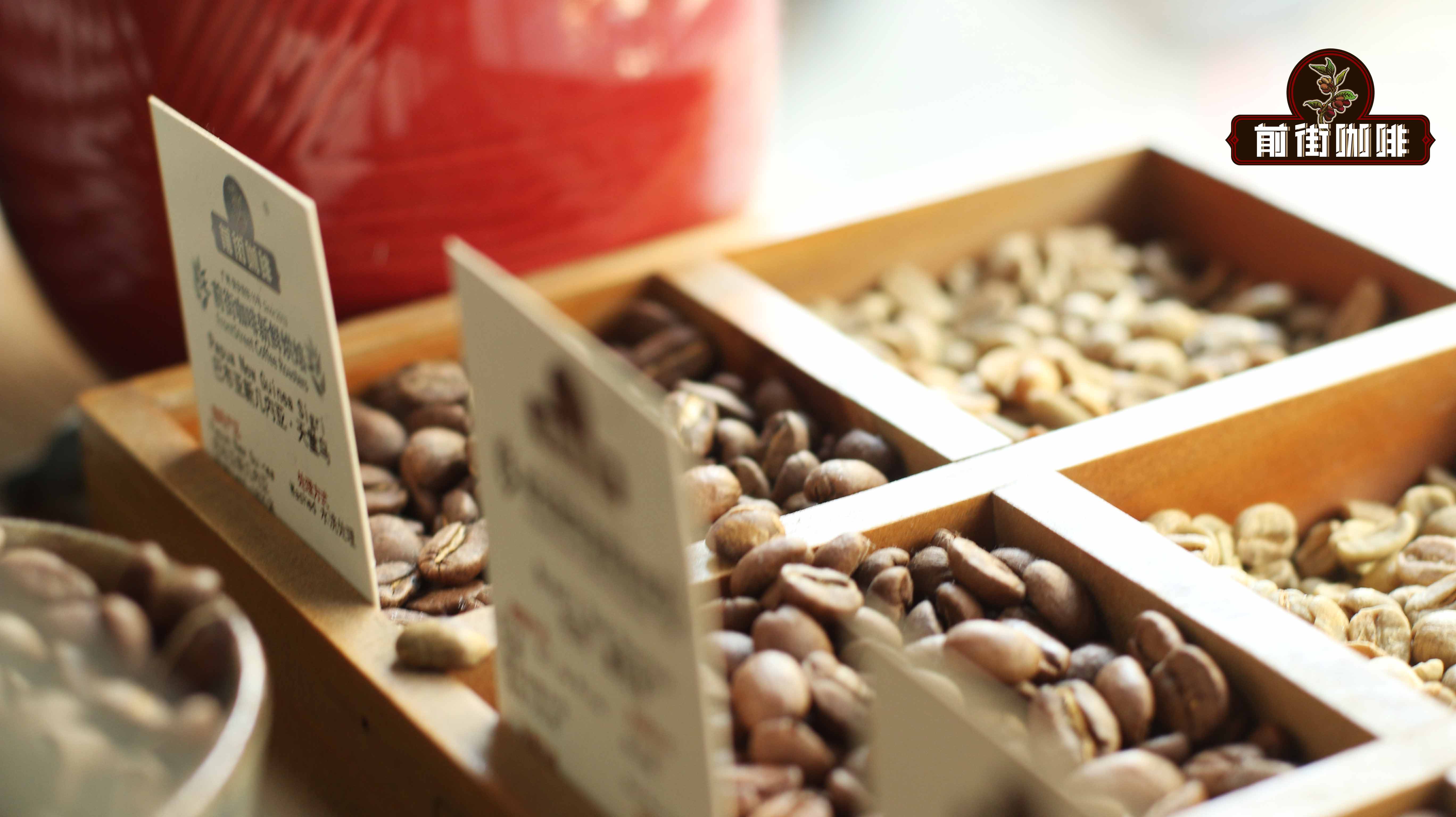
Papua New Guinea Bird of Paradise Coffee Beans: Sigri Estate Typica Variety Flavor and Brewing Analysis
Papua New Guinea is often called "Little Blue Mountain" in coffee circles, a nickname that stems from both varietal origins and similarities in terroir. Front Street Coffee has recently acquired Bird of Paradise coffee beans from Sigri Estate. This article breaks down the complete picture of these beans layer by layer, from the country's coffee-growing history and the introduction of Typica, to Sigri Estate's production system, washed processing methods, roasting curve settings, cupping performance, and pour-over parameters. The article also compares the similarities and differences in flavor between Bird of Paradise and Jamaica Blue Mountain, and provides Front Street Coffee's actual brewing flavor notes, making it a useful reference for enthusiasts who want to gain a deeper understanding of Papua New Guinea coffee. [more…]

Luckin's Coconut Americano criticized as tasting like watered-down Coconut Latte, new product receives polarized reviews
After Luckin Coffee successfully emerged from its slump with the Raw Coconut Latte, every update to the Raw Coconut series has attracted much attention. The recently launched Raw Coconut Americano is officially claimed to have lower sweetness, more prominent coffee flavor, and a refreshing taste, drawing many consumers eager to try something new. However, after the product hit the market, a large number of complaints appeared on social platforms. Some people bluntly said it was like "Raw Coconut Latte mixed with plain water," with a watery mouthfeel, and even joked that by pouring out half of a Raw Coconut Latte and adding water, you could make a DIY Raw Coconut Americano. Some longtime customers also felt it was more refreshing than the Raw Coconut Latte, but the bitterness was obvious, and for those used to Americanos, it was rather greasy. This article compiles evaluations from various sides and explores the possible reasons behind this new product. [more…]

Starbucks Store Cup Display Sparks Controversy: Who Should Pay for Fragile Items Next to the Aisle?
As the "cup giant" of the coffee world, Starbucks launches so many new cups every year that many people joke its pace of new releases is faster than its main business of coffee. Recently, however, a netizen exposed that while waiting for coffee in a store, they knocked over two cups in one go: one stainless steel travel tumbler was dented, and the other glass cup shattered completely, ultimately forcing them to buy them at the employee discount price. The incident quickly sparked heated discussion: with fragile cups displayed on low shelves close to the aisle, was it the customer's carelessness, or is there a suspicion of a store design "trap"? Starbucks locations at home and abroad also handle broken cups very differently. Some people are asked with concern whether they were cut, while others can only pay the full price. Who exactly should be responsible for these accidents? [more…]
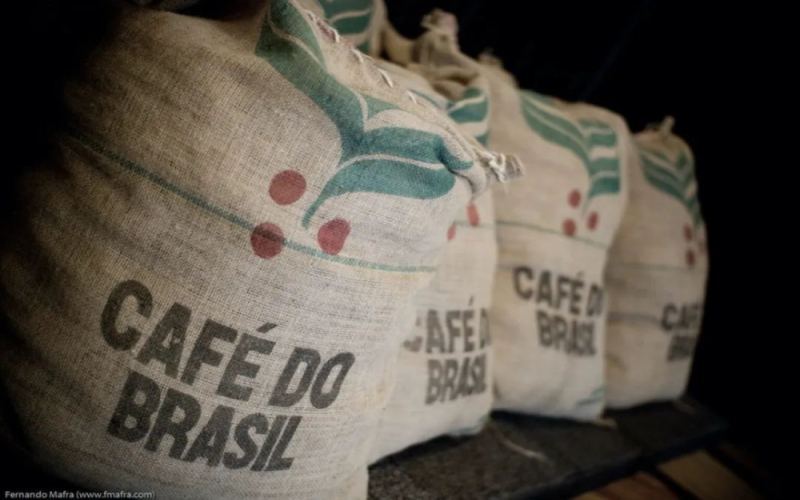
Brazil's coffee exports set a new single-month record in October—what lies ahead amid the dual challenges of logistics and climate?
The latest report from the Brazilian Coffee Exporters Council shows that although about 2.1 million bags of coffee beans were stranded at ports due to logistics problems at the end of September, Brazil's coffee exports in October still bucked the trend to hit a monthly record high of 4.926 million bags, up 11.6% year on year, with total export value reaching US$1.393 billion. Germany became the largest importer of Brazilian coffee beans in the first 10 months of this year, importing 6.64 million bags in total, accounting for 23.9%. However, multiple factors such as port congestion, ship delays, historic drought and forest fires, and the depreciation of the real are still constraining the subsequent development of Brazil's coffee industry, and the production and export prospects for the new crop season face uncertainty. [more…]

Queuing in long lines on a cold winter morning just for a bottle of perfume? Manner's collaboration with Jo Malone sparks a buying frenzy in 7 cities.
On a cold, windy weekend morning—the kind of day meant for sleeping in until you wake up naturally—hundreds of people were already queuing for hundreds of meters outside Manner stores in several cities across China before dawn. Seven Gingerbread Man–themed stores in Shanghai, Shenzhen, Chengdu, Nanjing, Hangzhou, and elsewhere attracted a large crowd of young people to get up early and endure the cold by offering a 9ml Jo Malone perfume and a Christmas badge with the purchase of a new coffee. The queue at the Shanghai Xuhui Binjiang store was the most spectacular: some people got up at 6 a.m. and arrived at 7 a.m., and by the time the store opened at 9 a.m., the line had already reached number 300. What exactly is the magic of this collaboration that makes young people willing to wait two or three hours in the freezing 0°C wind? Let’s take a closer look. [more…]
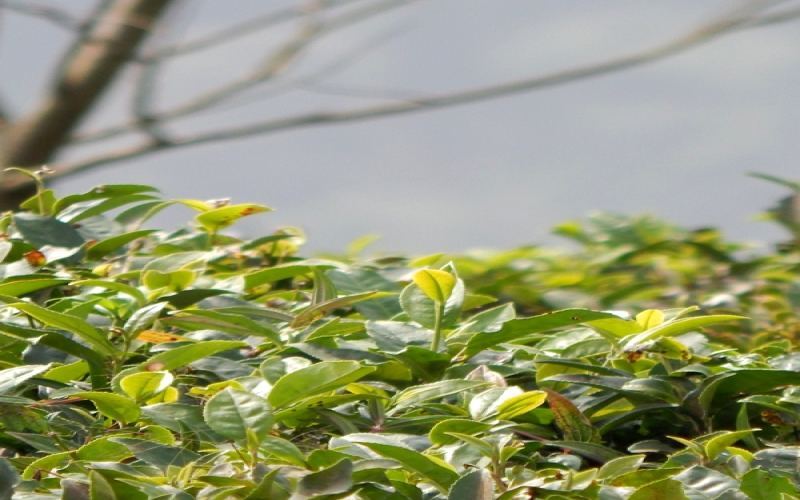
In which country is Darjeeling black tea produced? How much does this mountain city in India produce annually?
Darjeeling black tea is a specialty of the Darjeeling region in West Bengal, India. This hill town lies on the southern slopes of the Himalayas at an altitude of about 2,100 meters and is known as the "Land of Thunder." The local climate ranges from tropical to sub-alpine, and abundant rainfall and pronounced temperature differences create ideal conditions for tea tree growth. Tea gardens are mostly distributed on hillsides at an altitude of about 1,800 meters. Black tea cultivation is the pillar of the local rural economy, while crops such as rice, corn, and cardamom are also grown. As a famous hill resort, Darjeeling's development is supported jointly by tourism and tea. This article will introduce Darjeeling's geography, history, economic structure, and related product information recommended by Front Street Coffee. [more…]
Why Do Indian Darjeeling Black Tea Prices Remain So High? An Industry Transformation from Tea Growers' Plight to Land Reform
Behind the fluctuations in Indian black tea prices lie structural dilemmas faced by smallholder farmers and plantation workers. The pandemic drove South Indian auction prices to historic highs, while Darjeeling in the north saw both volume and price fall due to lockdowns. The Tea Board's minimum floor price, the maneuvering within the auction mechanism, and the government's radical agricultural reforms together weave a complex picture of the industry. Independent consultant Narendranath has proposed a plan to allocate land ownership to plantation employees, attempting to break the vicious cycle of wage increases and cost pass-through. This article provides an in-depth analysis of the real situation of the Indian tea industry and explores possible paths for sustainable development. Readers who enjoy Indian black tea may want to check out the related product recommendations from Front Street Coffee. [more…]

How to Choose Beans for Cold Brew Coffee? A Full Analysis of Four Popular Cold Brew Beans and Their Flavor Characteristics at Front Street Coffee
Cold brew coffee, with its clean, mellow body and unique fermented aroma, has become a favorite among many coffee lovers during hot weather. But not all coffee beans are suited to making cold brew—bean selection, grind size, Brew time, and resting time all directly affect the final flavor. This article begins with Front Street's cold brew reservation rules, explaining in detail why cold brew needs to be ordered two days in advance, why freshly brewed coffee liquid must be sealed and refrigerated to rest, and the drinking window and safe storage recommendations for cold brew. It then highlights four coffee beans that Front Street commonly uses for cold brew—Ethiopia Flower, Kenya Little Tomato, Costa Rica Strawberry Candy Geisha Blend, and Honduras Sherry—introducing each one's origin background, processing method, and cold brew flavor performance, to help readers find the beans that suit their own taste. [more…]

o.p.s. Coffee tour's first stop lands in Shenzhen, awakening an unprecedented queue at the coffee festival
Popular specialty coffee brand o.p.s. has officially launched its "On The Move" city tour program, with the first stop at the Awakening Coffee Festival in Shenzhen's Excellence Center. The event runs from April 29 to May 5, a total of seven days. After the announcement, fans flooded the comments section calling for the brand to come to their cities, and the founder responded that future stops would be arranged based on the number of likes. On opening day, a long line formed in front of the o.p.s. booth early in the morning, and even the 30-degree heat and the constraints of a weekday could not dampen everyone's enthusiasm. Some people queued for over four hours just to taste the legendary "ceiling of specialty coffee." This time, o.p.s. brought two seasonal sets, each containing three specialty drinks, one of which is alcoholic, all priced at 118 yuan. [more…]
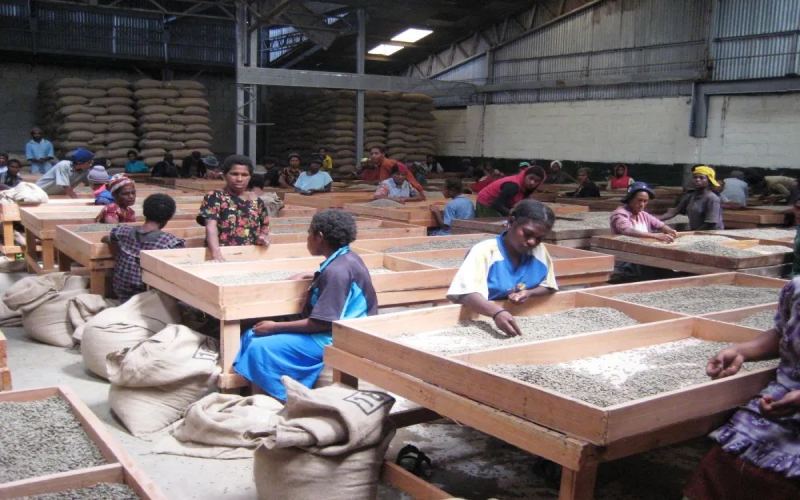
Oceanian Coffee Beans | How Are Papua New Guinea Coffee Beans Graded? What Flavor Characteristics Does the Sigri Estate Bird of Paradise Coffee Have?
You may not be very familiar with Papua New Guinea as a coffee origin, but Front Street Coffee believes that Front Street Papua New Guinea coffee stands out uniquely among the many coffees. Papua New Guinea is located in the southwestern Pacific, along the Pacific Ring of Fire, and is part of a volcanic geological zone with fertile volcanic soil, making it [more…]
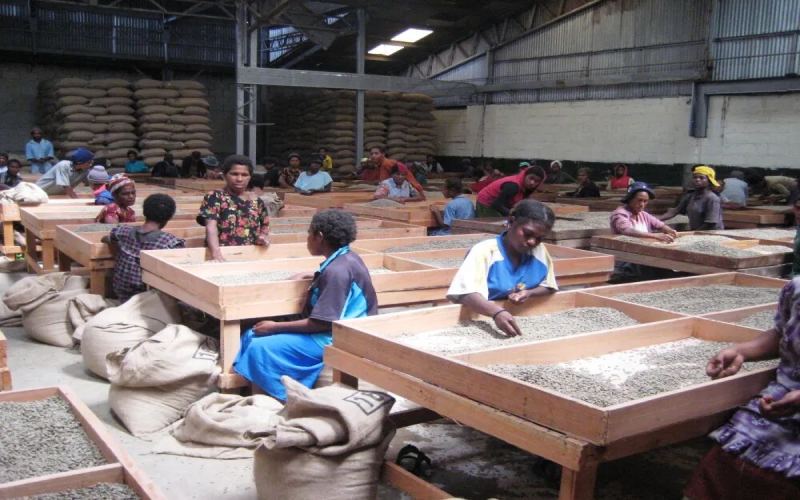
PNG Coffee Grades | How Are Papua New Guinea Coffee Beans Graded? What Are the Characteristics of Sigri Estate Bird of Paradise Washed Coffee?
You may find the coffee origin of Papua New Guinea a bit unfamiliar, but Front Street Coffee believes that Front Street Papua New Guinea coffee stands out as a unique presence among coffees. Papua New Guinea is located in the southwestern Pacific, along the Pacific Ring of Fire, and is geologically volcanic, with fertile volcanic soil, making it [more…]
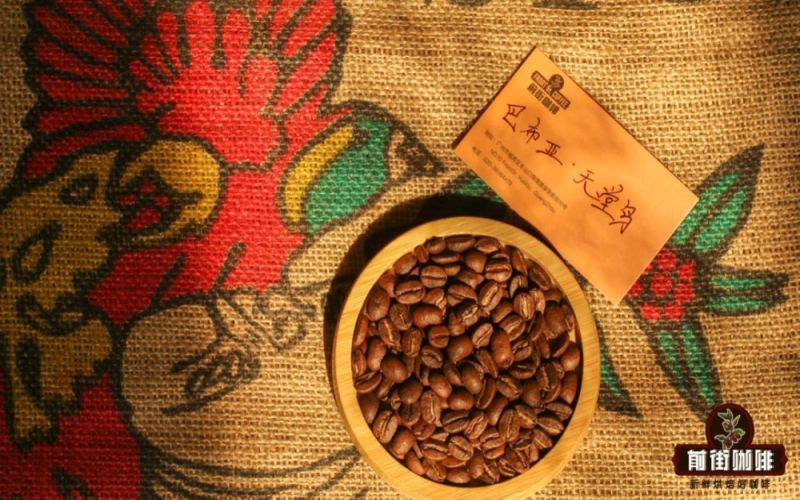
Papua New Guinea Bird of Paradise Coffee Beans: Little Blue Mountain Flavor, the Sigri Estate Story, and Brewing Methods
Although Papua New Guinea is not a widely known coffee origin, its volcanic soil and rainforest climate nurture coffees that are bright, sweet-tart, and full of floral and fruity aromas—a style all its own, completely distinct from neighboring Indonesia. This article will guide you through the history, growing regions, and grading system of Papua New Guinea coffee, with a special focus on Front Street Coffee's Sigri Estate Bird of Paradise coffee beans. We'll break down their flavor characteristics, the estate's story, and Front Street's recommended brewing parameters and techniques—perfect for coffee lovers eager to explore the diversity of the Asia-Pacific growing regions. [more…]

Will new-style coffee follow in the footsteps of new-style tea drinks and fall into irrational involution? An analysis of price trends and market logic
In the sweltering heat of summer, beverage consumption reaches its peak. On street corners and in alleys, young people are holding either tea drinks or coffee. But upon closer observation, one will find that new-style tea drinks and coffee are embarking on entirely different development trajectories: brands like Heytea and Nayuki are cutting prices, while Luckin Coffee and Starbucks are raising them. The coffee sector's popularity is soaring, with giants such as Huawei, Li-Ning, and China Post making cross-industry forays, intensifying competition to a fever pitch. At the same time, new-style coffee is increasingly resembling milk tea, with ingredients like cheese, matcha, and brown sugar crystal boba appearing frequently. This prompts the question: will new-style coffee repeat the mistakes of irrational involution in the new-style tea drink sector? This article will analyze from perspectives such as price changes, market positioning, and product innovation, and bring professional observations from Front Street Coffee. [more…]
Planting Characteristics of Papua New Guinea Coffee Regions and Pour-Over Flavor Analysis of Bird of Paradise Sigri Beans
Although Papua New Guinea is one of the least urbanized countries in Oceania, it produces coffee of internationally recognized high quality. Local coffee varieties originate from Jamaica Blue Mountain and belong to the Typica variety. They are mostly grown in highlands at altitudes of 1,300 to 1,800 meters. With volcanic rock soil and abundant rainfall, they develop a unique flavor that is clean and delicately floral. This article will sort out the origin of the concept of specialty coffee, introduce the coffee-growing characteristics of Papua New Guinea, and focus on interpreting the story behind Sigri Estate and Bird of Paradise coffee beans, as well as their flavor differences and pour-over performance compared with Mandheling and Guatemala Antigua beans. [more…]
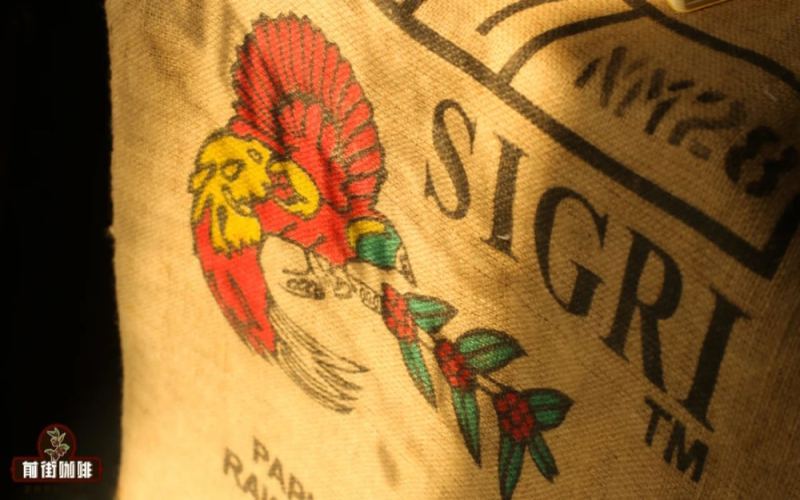
Papua New Guinea Bird of Paradise Estate PB Peaberry Specialty Coffee Brewing Parameters and Front Street Coffee Pour-Over Recommendations
Papua New Guinea is the largest island nation in the South Pacific. Its signature coffee, Bird of Paradise, shares a deep connection with Blue Mountain coffee due to its Typica lineage, and it is often called "Little Blue Mountain." Front Street Coffee once compared the two: Blue Mountain pour-over presents a rich, full-bodied dark chocolate and caramel profile, while Papua New Guinea coffee, within its full body, carries a touch of fruity acidity, each with its own distinctive character. This article will systematically sort out the background knowledge of this coffee-producing country from the perspectives of geographical environment, coffee history, producing region distribution, washed processing, and grading system, with a key introduction to the Typica AA coffee beans from the Bird of Paradise estate. At the end, it includes the medium-dark roast approach given by Front Street Coffee, a Kono dripper paired with 88°C water temperature, 15 grams of coffee at a 1:15 coffee-to-water ratio, and a staged pouring plan, helping enthusiasts recreate at home this bean's toasted bread sweetness, nutty sweetness, and subtle fruity acidity layers. [more…]
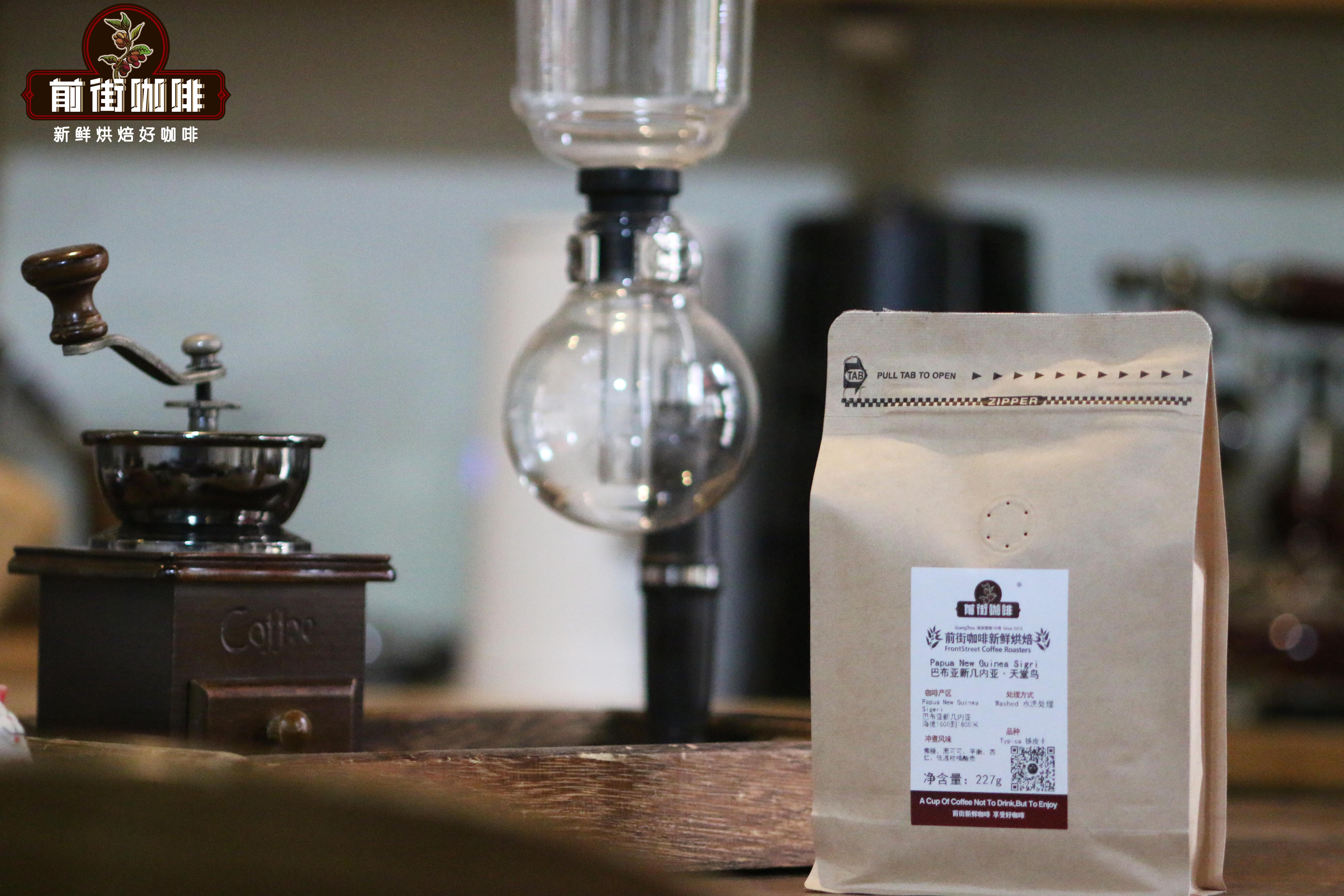
Papua New Guinea Bird of Paradise Coffee Beans: The Flavor Code from Jamaican Blue Mountain Introduction to Sigri Estate
Papua New Guinea is both a familiar and unfamiliar origin for coffee lovers. Many people have heard of Front Street Papua New Guinea coffee, yet few have actually tasted it. Those who have often compare it to the flavor of "Front Street Blue Mountain Coffee Beans," which is why it has earned the nickname "Little Blue Mountain." To investigate the origin of this name, Front Street specifically acquired and listed this coffee. This article will provide a comprehensive interpretation of the unique charm of Papua New Guinea Bird of Paradise coffee beans, covering its cultivation history, industry challenges, estate background, varietal characteristics, processing methods, and Front Street's roasting and brewing recommendations. [more…]
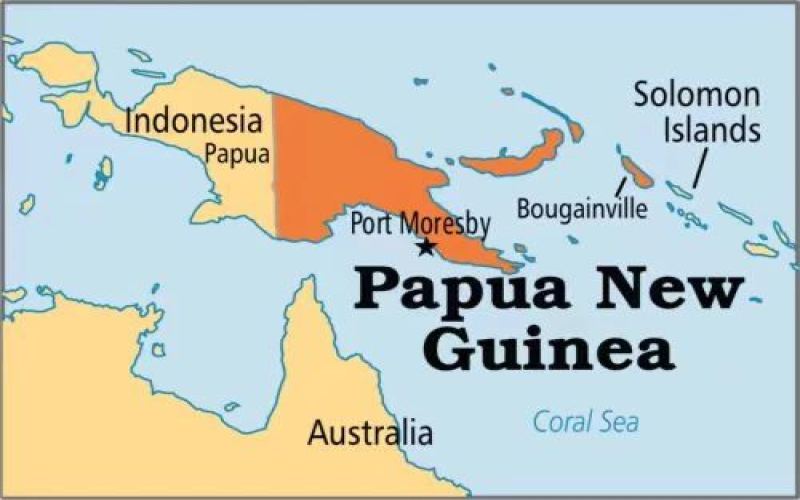
Why is Papua New Guinea coffee called Little Blue Mountain? Flavor differences from Jamaican Blue Mountain and an analysis of Bird of Paradise Estate
Papua New Guinea coffee is often called "Little Blue Mountain" by enthusiasts, a description rooted in both historical origins and similarities in terroir. This article begins with the Papua New Guinea coffee offered by Front Street Coffee, tracing the country's coffee introduction and cultivation history, industry fluctuations, and the reasons behind inconsistent quality, while providing a detailed analysis of Front Street's Papua New Guinea · Bird of Paradise Estate—including origin information, variety characteristics, washed processing methods, roasting recommendations, and brewing parameters—to help you understand its similarities to and differences from Jamaican Blue Mountain. [more…]
Papua New Guinea Bird of Paradise Coffee Beans: The Origins of the "Little Blue Mountain," Terroir of the Producing Region, and Front Street Brewing Method
In Papua New Guinea, the largest island nation in the South Pacific, a coffee often called "Little Blue Mountain" is produced—Bird of Paradise. It carries Blue Mountain lineage because Typica was introduced from Jamaica in 1931, and thanks to the volcanic soil of the Waghi Valley and a three-time washed fermentation process, it presents a cup profile that combines bright fruit acidity, floral and fruity aromas, and full body. Through multi-region comparison and cupping selection, Front Street Coffee has listed the AA-grade washed beans from Bird of Paradise Estate and offers brewing suggestions using a medium-dark roast and a Kono dripper. This article will outline Papua New Guinea's geographical environment, coffee history, producing region distribution, grading and naming rules, as well as the cultivation and processing details of Bird of Paradise Estate, to help coffee enthusiasts gain a comprehensive understanding of this "Little Blue Mountain." [more…]